Qualifying questions
A quick scan is useful, but a good question before the scan saves follow-up time later. Use this guide to help stand staff qualify visitors properly, tag leads clearly and send cleaner data to your CRM.

Start with the purpose of the scan
Before a badge is scanned, the operator should know why the person is being added. At a busy stand in Johannesburg, Durban or Cape Town, it is easy to collect too many names that never go anywhere. A short qualifying chat helps your team decide whether the visitor is worth a full follow-up, whether they only need product information, or whether they should be tagged cold and left for a later campaign.
The point is not to interrogate people. It is to confirm fit. If the visitor is just passing through, scanning every badge can fill your CRM with poor leads and make the sales team chase the wrong people after the show. A good operator listens first, asks one or two direct questions, then scans.
- Know what counts as a good lead for this event.
- Agree which visitors should be scanned and which should not.
- Keep the first question short and natural.
- Only scan once the visitor has shown real interest.
Ask three basic questions first
Most stands do not need a long script. In many cases, three questions will tell you enough to tag the lead properly. These should be easy for every staff member to remember and easy to ask even when the aisle is full.
A useful set is: what are you looking for, what is your role, and when do you need a solution. Those three answers normally tell you whether the person is a decision-maker, whether the need is real, and whether the timing is soon or much later. If the answers are vague, the lead is usually warm or cold rather than hot.
- What are you trying to solve right now?
- What is your role in the buying decision?
- When are you looking to move on this?
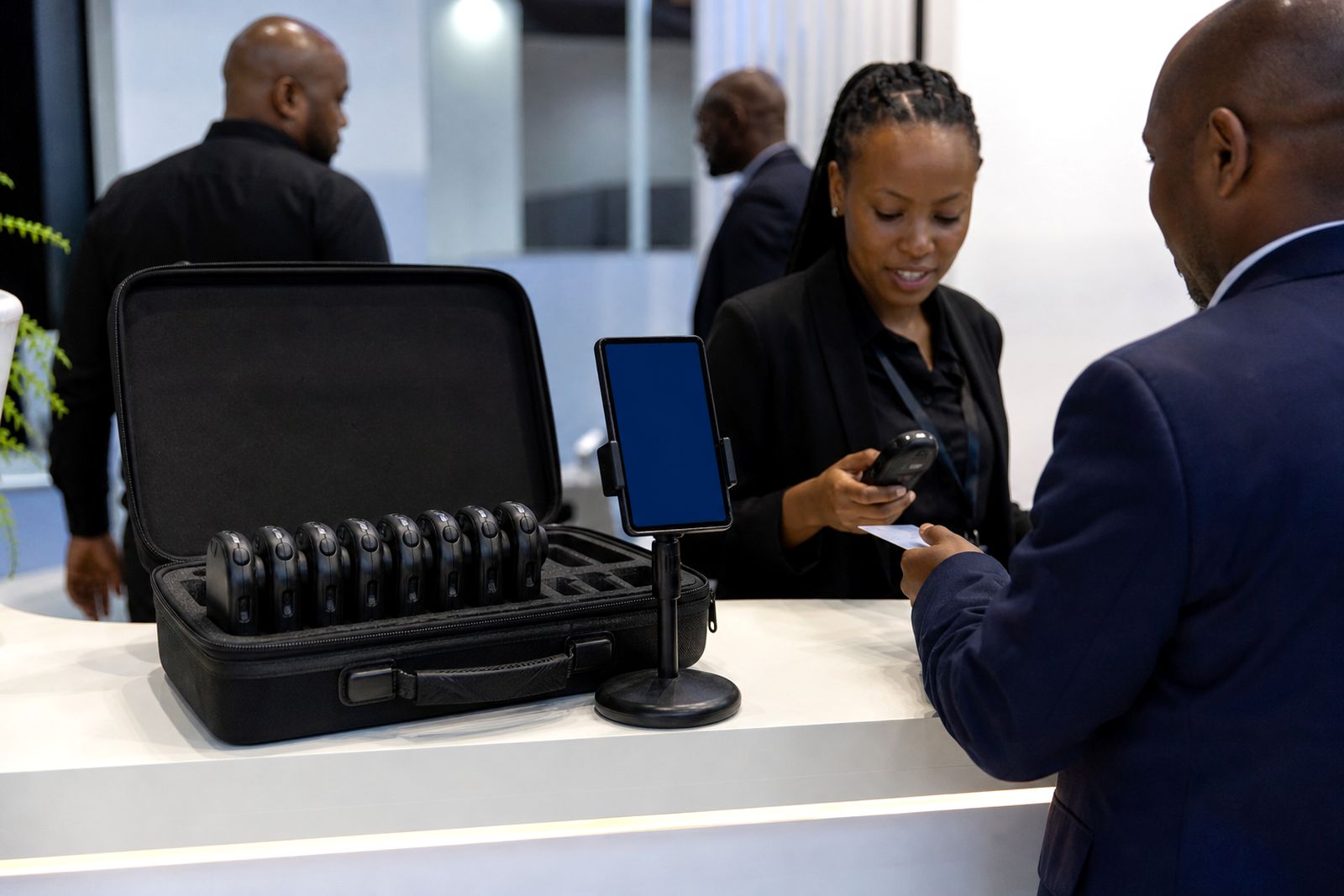
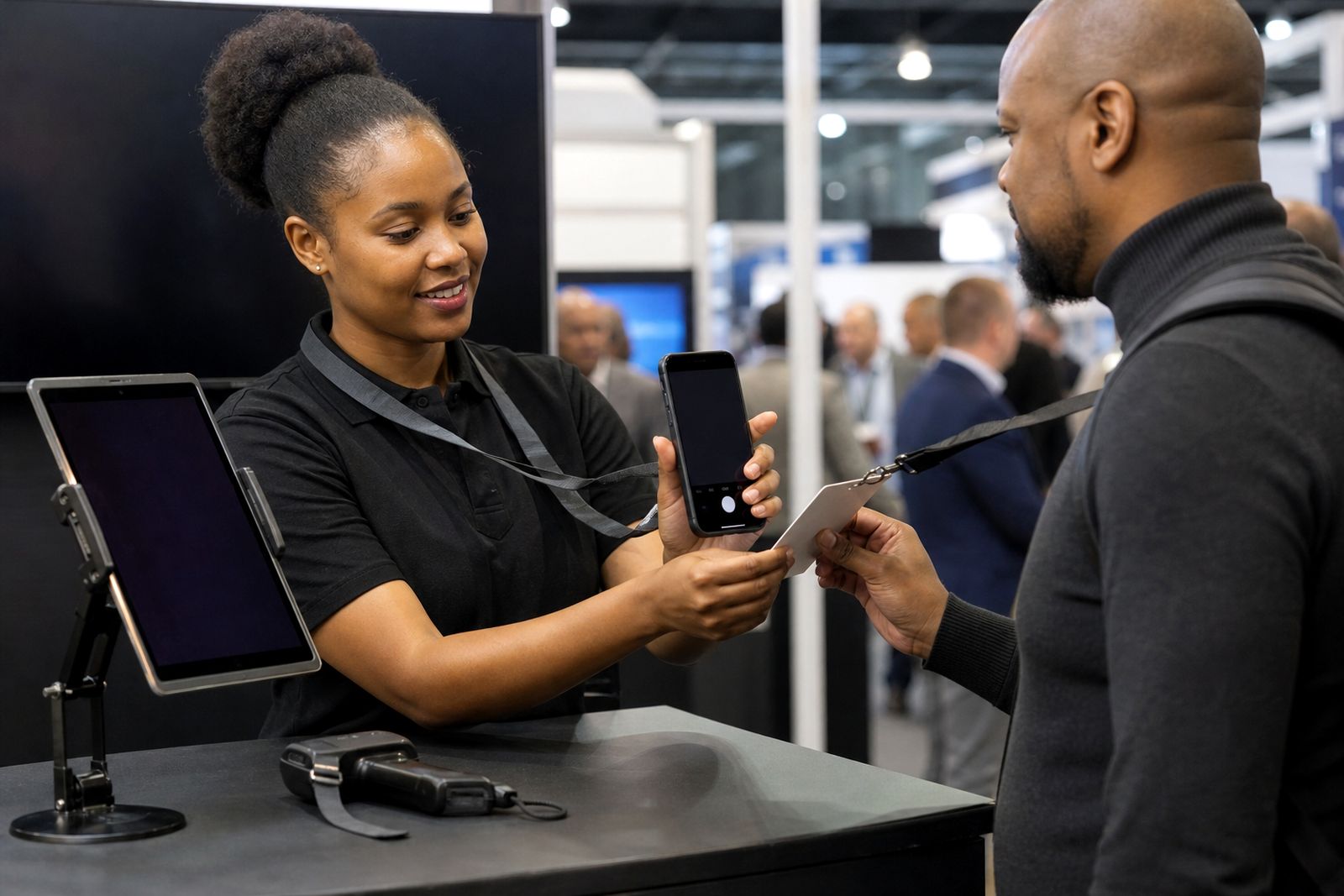
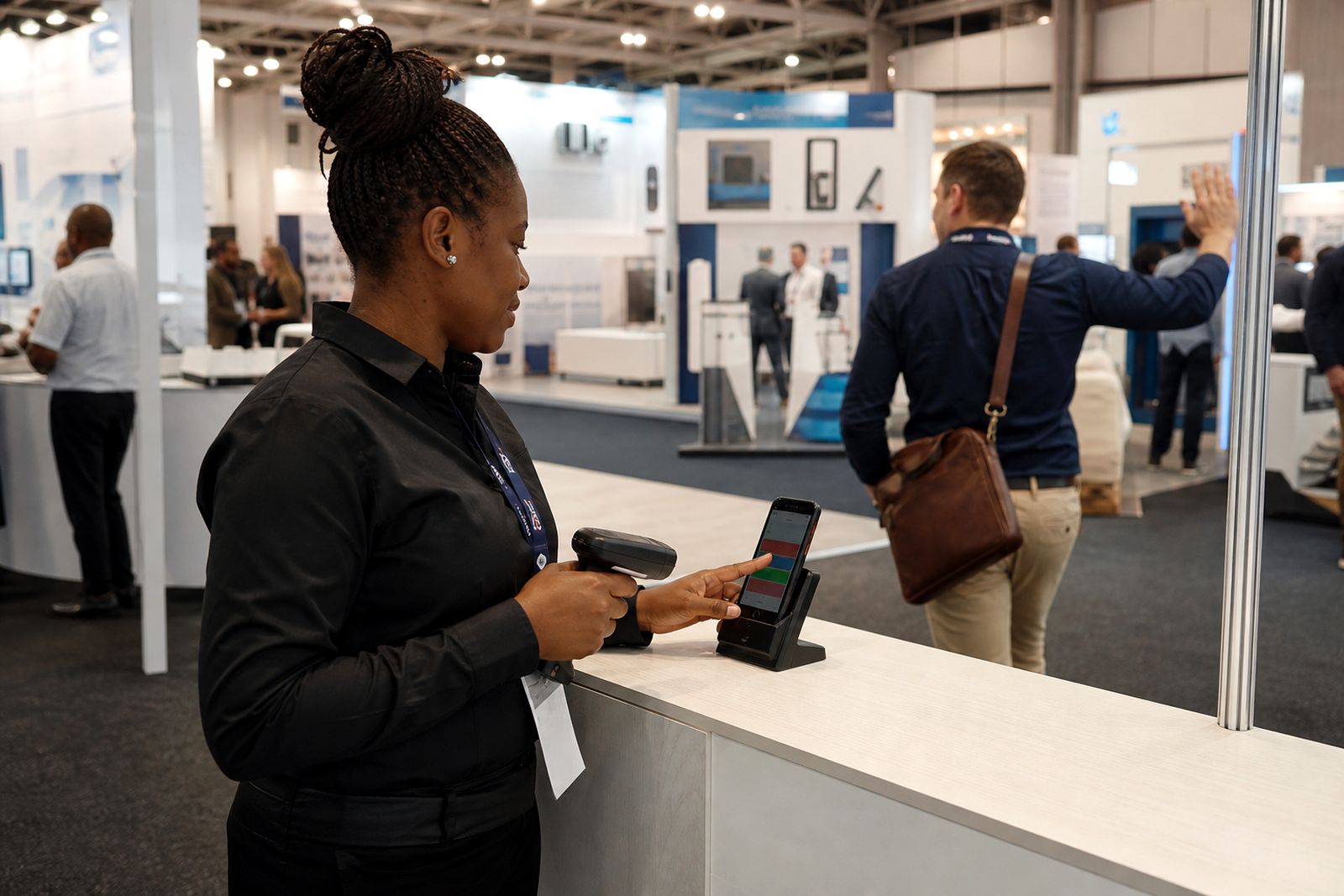
If your team uses handheld scanners and a phone app on different parts of the stand, keep the same opening questions across both. That way the data coming into your CRM is more consistent and easier to sort after the expo.
Match your questions to your sales process
Qualifying questions should reflect how your sales team actually works. If your follow-up process depends on area, budget holder, site readiness or product type, those points must come out at the stand. Do not ask generic questions that sound professional but tell the sales team nothing useful later.
For example, if your team can only service certain towns quickly, ask where the business is based. If installation timing matters, ask whether they need something this quarter or are only gathering options. If multiple branches are involved, ask whether this is for one site or several. That small detail can change who follows up and how urgently.
Keep wording plain. Visitors are often walking between meetings, carrying bags and dealing with patchy signal or power cuts on their phones. If the question takes too long to explain, simplify it. The best stand teams ask questions that sound like normal conversation not a form being read out loud.
Know what makes a lead hot, warm or cold
Lead tagging only works when everyone on the stand uses the same standard. A hot lead is not just someone who seemed friendly. It is usually someone with a clear need, the right role, and a timeframe that fits your sales cycle. A warm lead has some fit but needs more nurturing. A cold lead may be a student, supplier, competitor, consultant without a live project, or someone who stopped for a giveaway.
Set the standard before the doors open, then remind the team again during the day. A five minute check-in before the morning rush can prevent a lot of messy data later.
- Hot: clear requirement, buying influence, next step agreed.
- Warm: relevant interest, but timing or authority is still unclear.
- Cold: low fit, no timeline, or no real project.
If a visitor asks for a quote, a demo or a meeting after the event, that usually points to hot. If they only want a brochure or say they are researching for next year, that is more likely warm. Be strict here. It saves time later, and it stops sales staff from treating every scan like a priority.
Use notes to capture what the badge cannot
A badge scan gives you the visitor record, but not the reason they stopped. That is where tags and voice notes matter. After the qualifying questions, add the missing context straight away while the conversation is still fresh. Waiting until later means details get mixed up between visitors, especially during peak traffic.
Good notes are short and specific. Record the need, the product area, the urgency and the promised next step. If your team uses voice notes, remind them to speak clearly and keep background noise in mind. Expo floors in Durban and Cape Town can get loud, so short recordings work better than long ones.
- Problem the visitor wants to solve.
- Role of the person at the stand.
- Expected timing or deadline.
- Requested action after the show.
- Anything that affects follow-up, like branch count or site location.
A weak note says, “good chat, send info”. A useful note says, “Operations role, needs rollout for two branches, wants call next week.” That one line can help the sales team act fast and avoid phoning the wrong contact first.
Train the team before the doors open
Even the best scanner or phone app will not fix poor questioning. Stand staff need a short briefing before the expo starts. Walk through the qualifying questions, explain what hot, warm and cold mean for this event, and let the team practise with each other. Ten minutes of role play can sort out awkward wording before the first visitors arrive.
It also helps to assign a floor lead. That person can listen to how questions are being asked, check whether tags are being used properly, and correct issues early. If the app is working offline for periods because signal is poor inside the hall, the questioning standard still needs to stay the same. Data can sync later, but the quality of the conversation has to be right at the time.
- Brief the whole team on the same lead criteria.
- Practise the first question and the follow-up question.
- Agree when to tag hot, warm or cold.
- Check that every operator knows how to add a note.
- Review scans during the day and fix mistakes quickly.
When the event ends, your CRM should show leads that are easier to route and easier to action. Thats the real value of asking the right question before the scan.
What our Lead Capture customers say
Verified Google reviews
Questions we get asked
Should we scan first and ask questions later?
Usually no. Ask one or two qualifying questions first so you only scan people who are relevant and you can tag them correctly at the stand.
How many questions should stand staff ask?
Keep it short. Three practical questions are enough for most exhibitors: the visitor's need, their role in the decision, and their timeframe.
What if the stand is too busy for long conversations?
Use a short script, scan only once interest is confirmed, and add a brief note or voice note immediately after the chat.
Also worth a look

Book scanners for your stand
Send a note through our contact form with the expo, your stand size and how many staff will scan, and our team will reply with options.
Open the contact form