Lead tagging
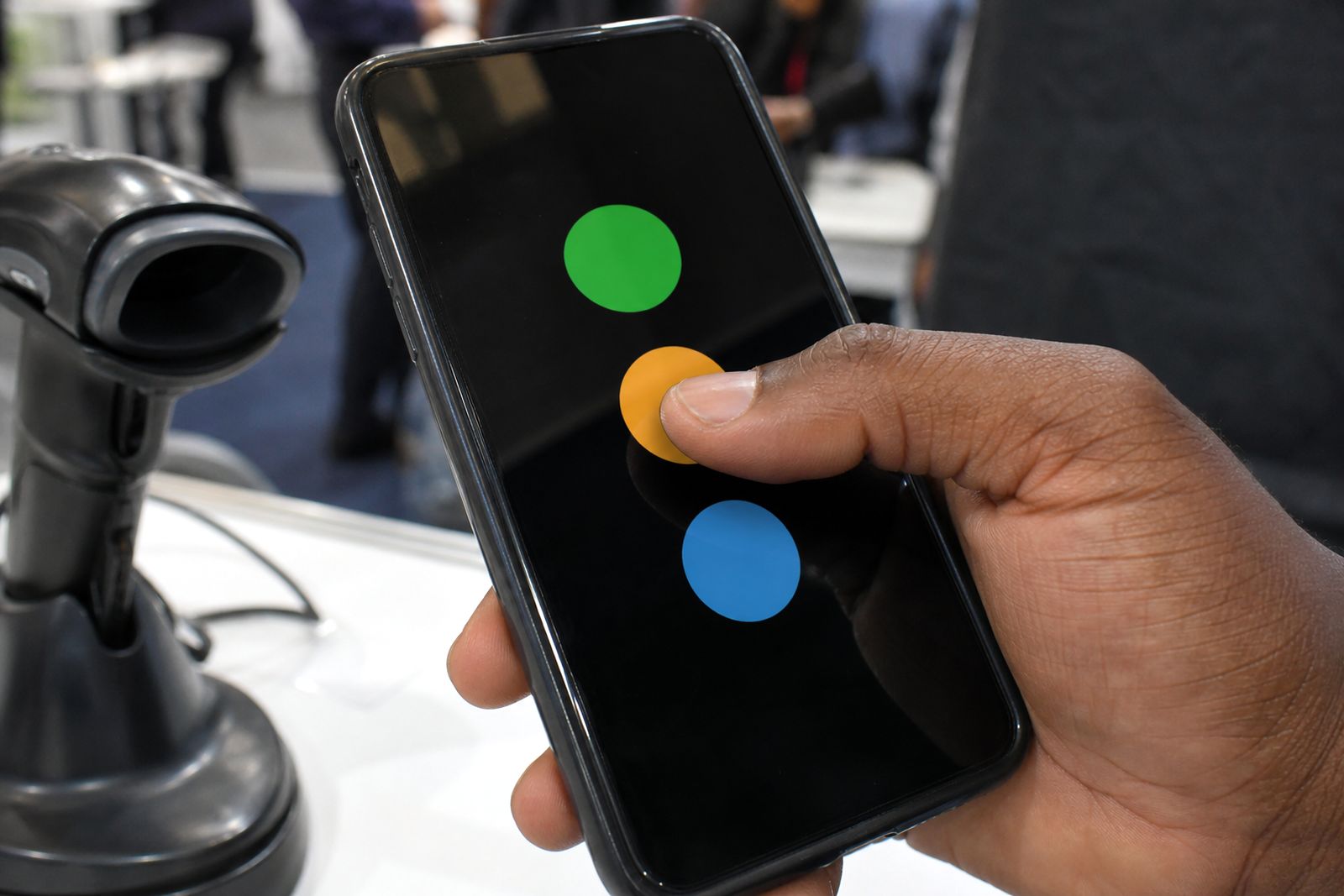
Lead tagging helps your stand team sort interest while the conversation is still fresh. Mark each visitor hot, warm or cold on the spot so follow-up starts with the right priority.
Why lead tagging matters at a busy stand
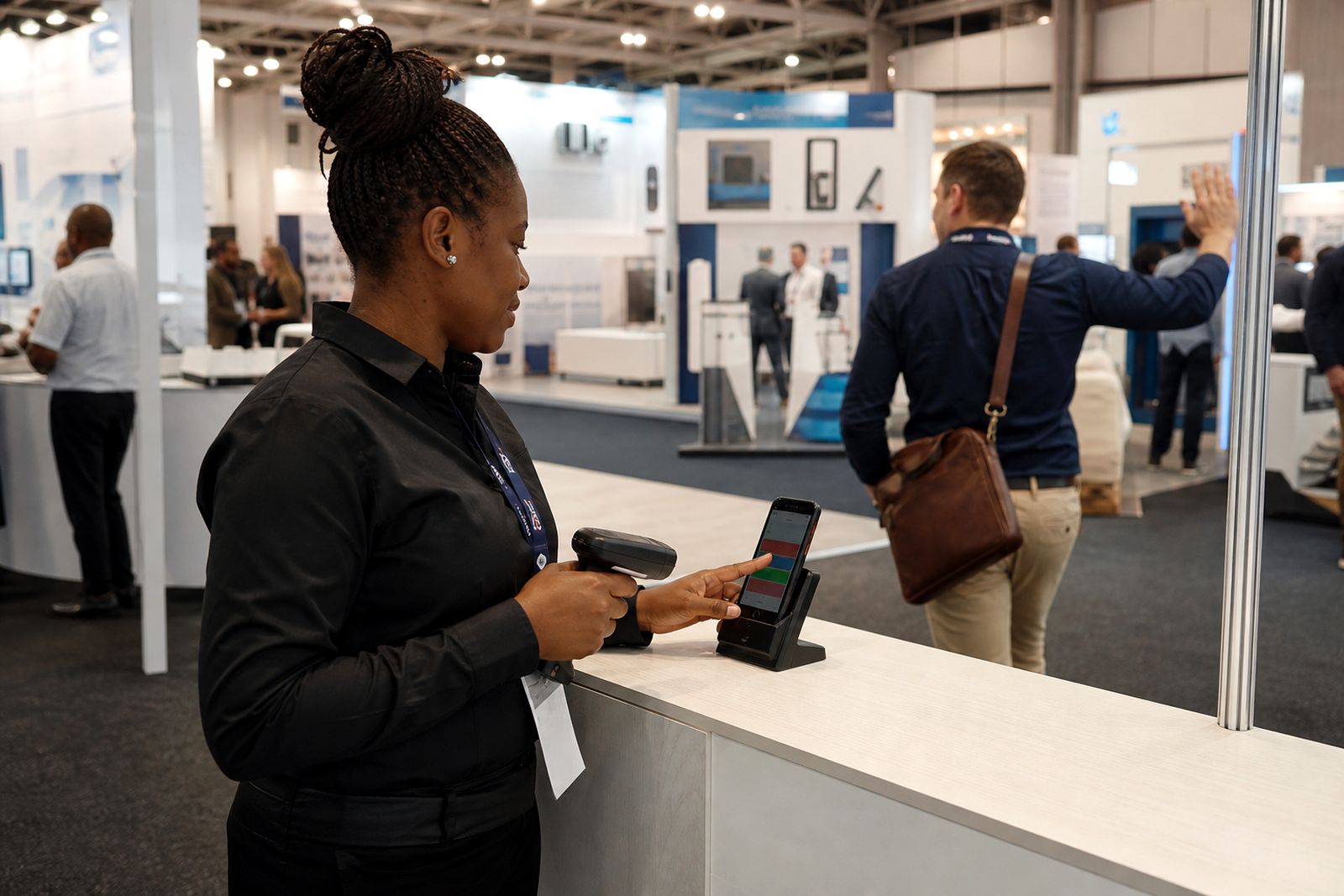
Scanning a badge is only the first step. If every visitor lands in one long list with no context, your sales team still has to guess who needs a call first and who just wanted a brochure. Lead tagging fixes that by adding a quick decision at the stand, while the exhibitor and visitor are still talking.
With our handheld scanners or phone app, stand staff can tag each lead before the next visitor walks up. That means fewer vague notes later and less confusion after pack-up. At shows in Johannesburg, Durban and Cape Town, stands can go from quiet to crowded in minutes, so a simple tagging method keeps the process moving.
- Prioritise follow-up from the strongest conversations first.
- Separate real buying interest from general walk-up traffic.
- Give your sales team more useful context than a badge scan alone.
- Reduce arguments later about what the visitor actually asked for.
What hot, warm and cold should mean
The best tagging system is short and consistent. Every staff member should use the same definitions, otherwise one person marks nearly everyone hot and another marks almost no one hot. Keep the labels tied to buying intent, timing and fit.
A practical way to use the three tags is:
- Hot: The visitor matches your offer well, asked direct buying questions, and wants a prompt next step such as a quote, meeting or product demo.
- Warm: The visitor has a possible need, but timing, budget or internal approval is not clear yet. Worth following up, just not before the hot list.
- Cold: The visitor was browsing, collecting general information, or is outside your target market. Keep the record, but do not put urgent sales time into it.
If your team can explain the reason for the tag in one line, the tag is probably clear enough. If they need a long explanation every time, the rules are too fuzzy.
How to choose the right tag in under a minute
Most exhibition conversations are short, so the tagging method must be quick. Do not wait until the end of the day to decide. By then details blur together and people start relying on memory, which is where mistakes creep in.
Use a short set of qualifying questions and listen for signals. You are not trying to run a full sales meeting at the stand. You just need enough to sort the lead correctly and add one or two useful notes. A simple process works well even when the aisle is full and the team is under pressure.
- Ask what the visitor is looking for right now.
- Find out whether they are a user, buyer, specifier or researcher.
- Check timing: immediate need, this quarter, or only future interest.
- Confirm fit: size of requirement, location, and whether your offer suits it.
- Add a voice note if the answer needs more detail than a short typed note.
A practical comparison: hot vs warm vs cold
Teams often struggle with the line between hot and warm. The simplest test is urgency plus fit. Someone can be very interested but still be warm if the project is far off or the requirement is still broad. Someone can be a perfect fit but cold if they are only gathering market info for later.
- Hot leads usually need a fast follow-up, often on the same day or next working day after the show.
- Warm leads need a planned follow-up sequence with the right information and timing.
- Cold leads should be kept on record, but not mixed into the first-call priority list.
- Hot leads normally have a clear next action agreed at the stand.
- Warm leads may need more qualification from an internal sales team.
- Cold leads may still be useful for marketing permission or future campaigns, depending on your rules and consent process.
When in doubt, it is better to mark a lead warm with a good note than hot with no explanation. That saves time later, and keeps the follow-up list honest.
Using notes and voice notes with each tag
A tag on its own is helpful, but a short note makes it much more useful. Notes explain why the lead was marked a certain way and what should happen next. This matters when one team works the stand and another team does the follow-up from Johannesburg or another branch after the event.
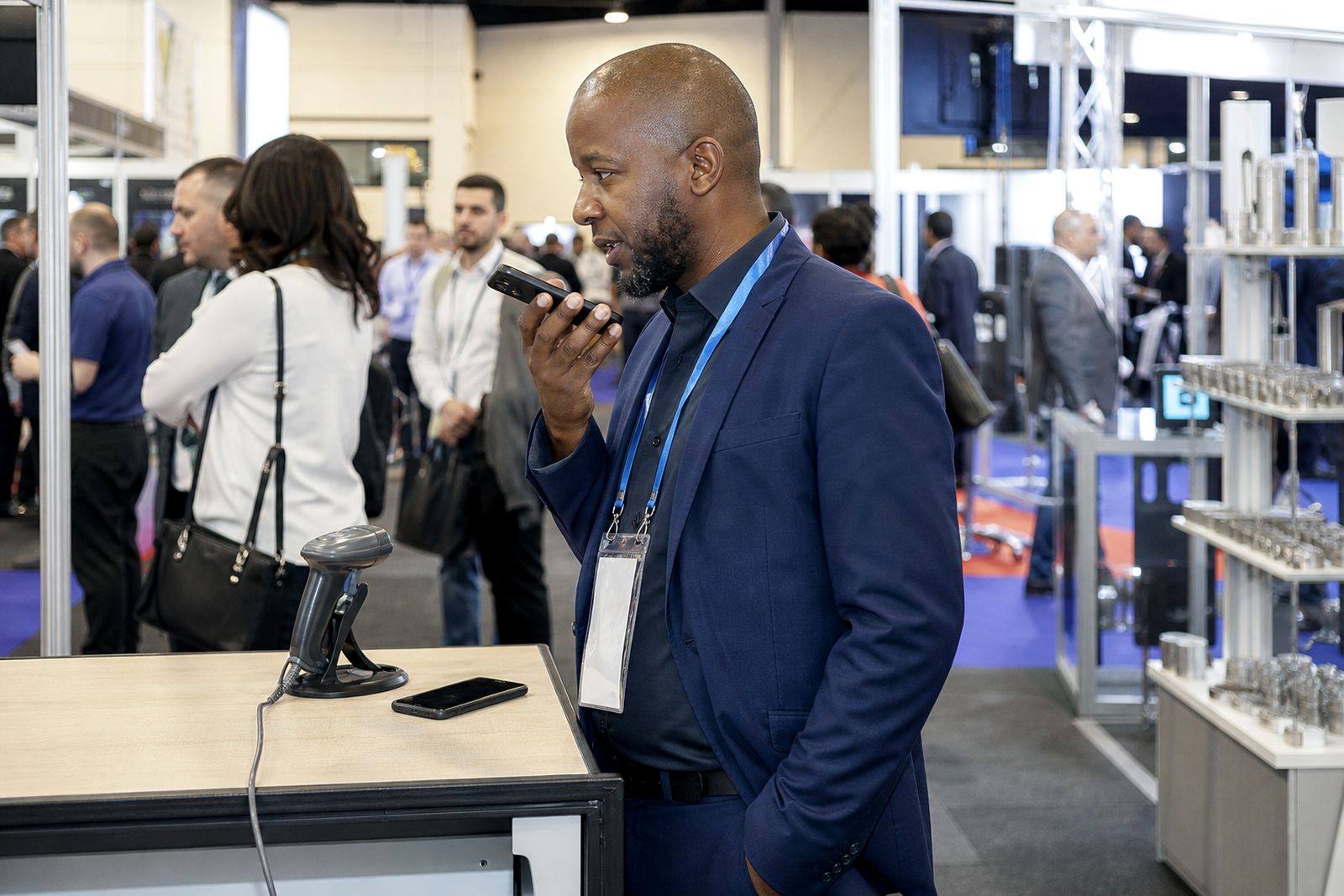
Typed notes are good for quick facts such as product interest, timing or branch location. Voice notes help when the conversation had more detail, such as a technical requirement, a delivery issue, or several decision-makers. Our system lets staff add that context at the stand instead of trying to remember it later. It sounds simple, but it saves a lot of back-and-forth after the show.
Keeping tagging consistent across your whole team
Consistency matters more than fancy rules. Before the event starts, agree on the definitions and make sure every operator uses the same method. This is especially important when some staff are experienced and others are helping only for the event. A ten-minute briefing before the doors open can prevent hours of sorting later.
If your team is using handheld scanners or the phone app, test the tag flow before visitors arrive. Make sure everyone knows where to tap, when to add a note, and how to move on quickly to the next person. Small checks early make the day run smoother, even when the stand gets hectic and people are multitasking a bit.
Once the event ends, your tagged leads can be reviewed and pushed to your CRM in a cleaner structure. Hot leads can go first, warm leads can enter the next follow-up queue, and cold leads can be held for later review. That means less cleanup for the sales team and fewer missed oppurtunities.
What our Lead Capture customers say
Verified Google reviews
Questions we get asked
Should every scanned badge get a tag?
Yes, if possible. A tag is what turns a scan into a workable follow-up list. Even a quick warm or cold decision is better than leaving the record blank.
Can different staff members use different tagging rules?
It is better to use one shared set of definitions for the whole stand. That keeps reporting cleaner and helps the sales team trust the priority order after the event.
What if we are not sure whether a lead is hot or warm?
Choose warm and add a short note about the uncertainty or missing detail. A clear warm lead with context is usually more useful than an unexplained hot lead.
Book scanners for your stand
Send a note through our contact form with the expo, your stand size and how many staff will scan, and our team will reply with options.
Open the contact form