Hot, warm and cold
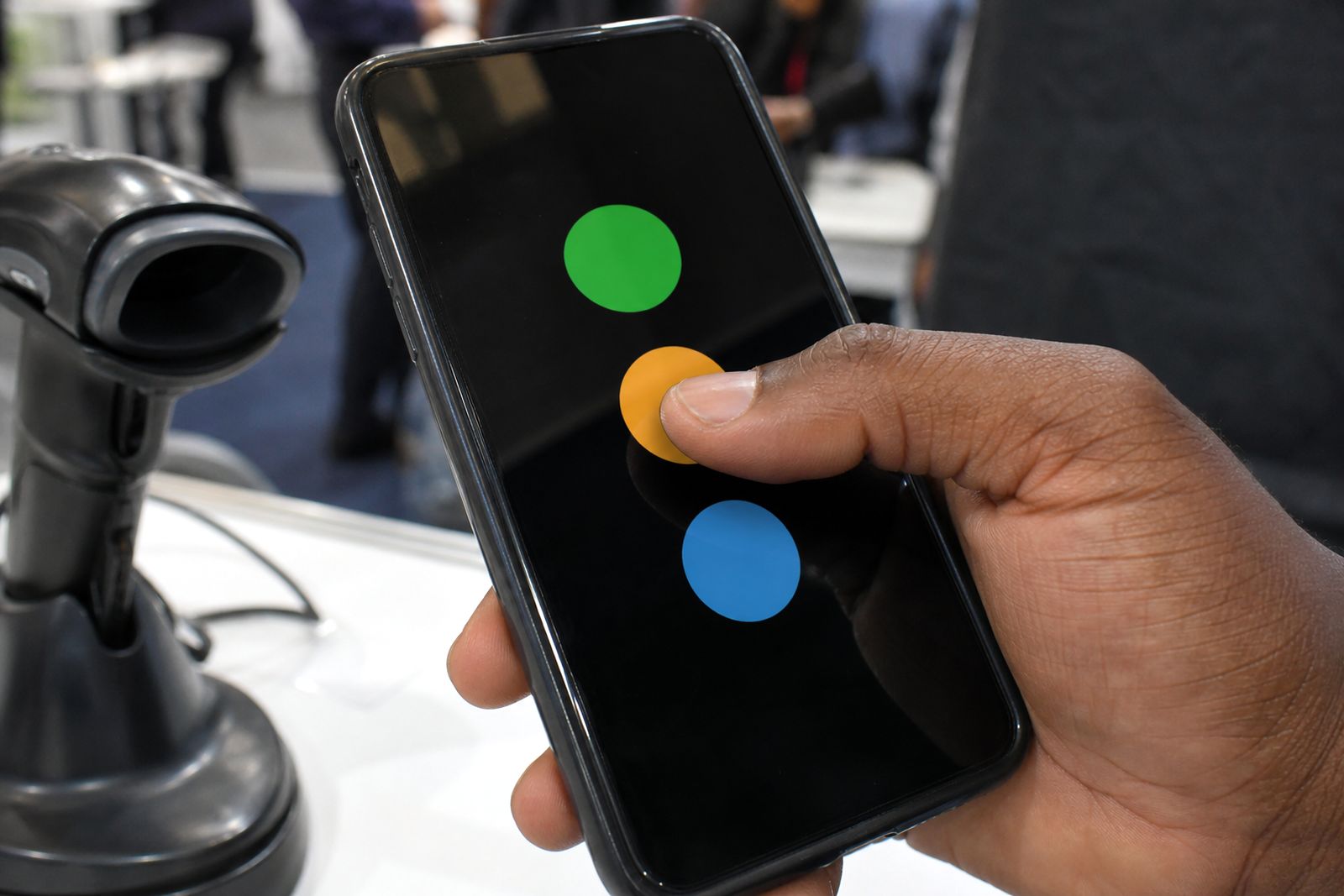
A good lead tag helps your team follow up in the right order once the expo floor goes quiet. If every scan gets the same label, sales staff waste time on people who were only browsing.
Why simple lead grades work best
At a busy stand in Johannesburg, Durban or Cape Town, nobody has time for a long scoring sheet. The best system is one your team can use while talking, scanning and answering questions at the same time. Hot, warm and cold is usually enough to sort follow-up properly.
These tags are not there to replace proper sales work. They are there to give your office team a clear starting point after the expo. A hot lead should go out first. A warm lead should still get attention soon. A cold lead should be kept on record, but without pushing urgent time onto it.
If your team agrees on the same meaning for each tag before the doors open, results are cleaner and there is less arguing later about who meant what. Keep the rules short, clear and easy to remember.
Set the rule before the first badge is scanned
Do not let each operator decide their own version of hot, warm and cold. One person may tag very strictly while another tags almost everyone as hot. That leaves the follow-up list in a mess. Pick the rule first, then train everyone on the stand to use the same one.
A useful rule is to base the tag on buying intent, timing and fit. If the visitor is a good fit and needs a solution soon, they are hot. If they fit but timing is later, they are warm. If they were curious but not likely to buy, they are cold. That simple split works well even when the hall is noisy and the aisle is full.
- Hot: Good fit, clear need, decision path is active, wants a call or quote soon.
- Warm: Good fit, some interest, but timing is later or more information is still needed.
- Cold: Limited fit, vague interest, student research, competitor checking, or no clear next step.
It helps to print these three definitions on a small stand sheet or keep them in the app notes for the team. During setup, run through a few examples so everybody tags the same way.
Ask three quick qualifying questions
You do not need a long interview to grade a lead. Three short questions can tell you enough in under a minute. The point is not to trap the visitor, it is to understand whether there is a real buying process behind the conversation.
Try to ask the same core questions in a natural way. If the visitor seems rushed, ask only what matters most and add a voice note straight after. A short note can save the office team from guessing later.
- What are you looking for today?
- Is this for a current project or for later planning?
- Who else is involved in the decision?
From those answers you can usually see where they belong. A visitor with an active requirement and a clear next step is often hot. Someone gathering options for a future budget cycle is often warm. Someone just taking a look with no project in mind is normally cold.
If your stand is very busy, keep the questions conversational and brief. The operator can still scan the badge, choose the tag and add a quick note in a few seconds if the rule is clear enough.
How to tell hot from warm
This is where most teams slip up. They mark too many leads as hot because the person sounded positive. Friendly is not the same as urgent. Hot should be kept for visitors who are likely to move soon and where your product or service fits properly.
A hot lead often mentions a deadline, a current problem, a live project or a request for the next action. They may ask for a quote, a site visit, technical details for sign-off, or a call with the sales team after the expo. They usually know what they need and why.
A warm lead is still valuable, but the timing or authority is not there yet. They may be comparing options for later in the year, collecting information for their manager, or waiting for internal approval. Good potential, just not urgent.
- Signs of hot: current project, budget discussed, decision makers involved, asks for fast follow-up.
- Signs of warm: fit looks good, interest is real, but timing is uncertain or the decision is still early.
- Signs of cold: no project, no fit, only general curiosity, or they do not want any follow-up.
When in doubt, choose warm rather than hot. That keeps the priority list honest and helps the sales team trust the tags coming from the expo floor.
Use notes to back up the tag
The tag alone is useful, but the note is what gives it context. Two hot leads can still need very different follow-up. One may want pricing, another may need technical information for a plant manager, and another may need a meeting in Cape Town next week. A short note saves time and stops duplicate calls.
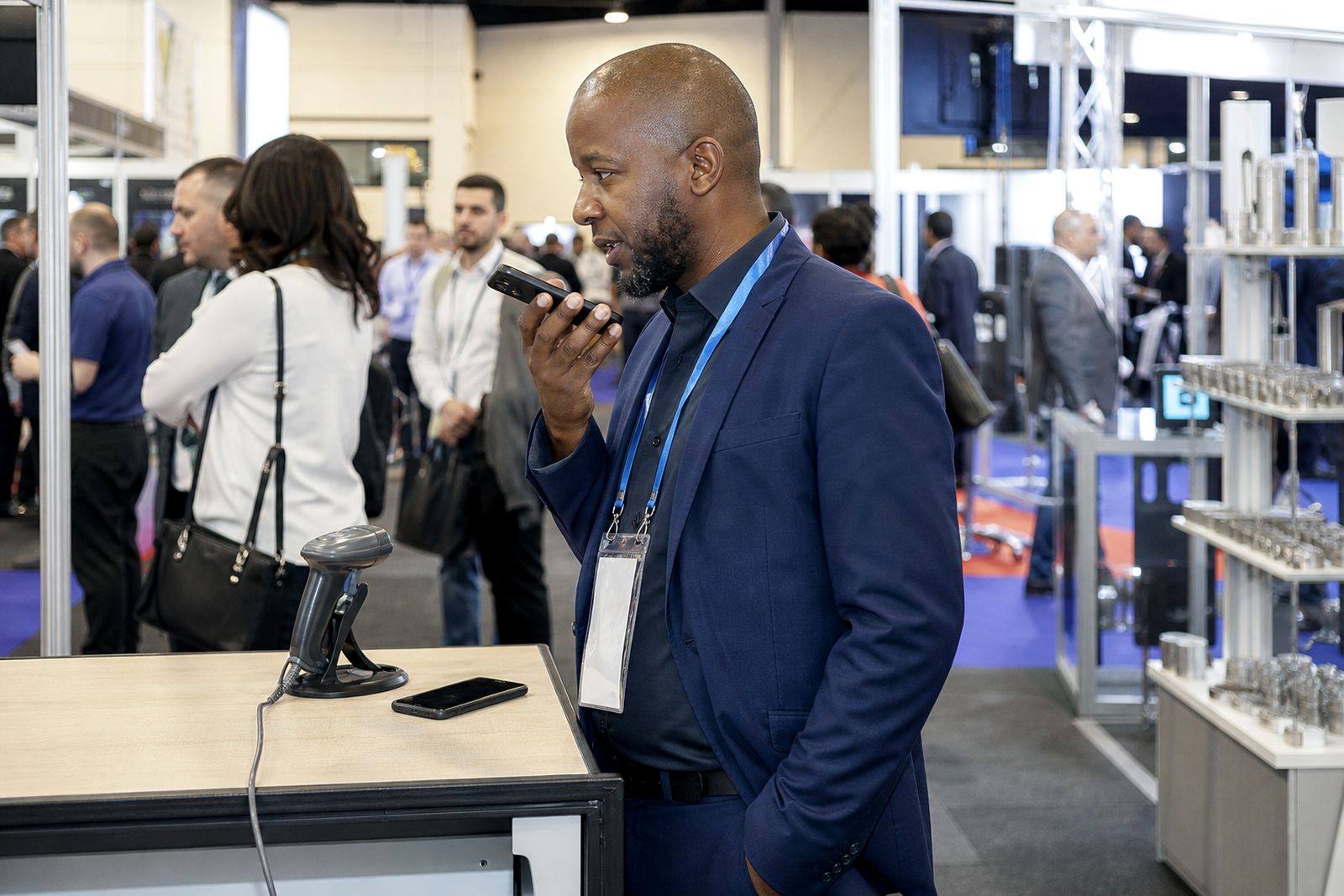
Good notes are short and specific. Include the reason for the tag, the next step and anything that matters for handover. Voice notes work well when typing is awkward on a crowded stand or when the aisle is packed and the operator needs to move fast.
- State the need clearly.
- Add the likely timing.
- Note who is involved in the decision.
- Record the promised next step.
- Mention anything unusual, like poor signal or a request to call after travel.
Example note style: “Warm. Looking for rollout in Durban branch network, needs internal approval first, asked for product summary after the expo.” That is enough for the office team to act without chasing the stand staff for memory later.
Quick checklist for the team before follow-up starts
Before the show ends, the supervisor or operator leading the stand team should do a quick review. This catches obvious tagging mistakes while the conversations are still fresh. It also helps if some scans were done offline and only sync once signal improves.
Keep the review practical. You are checking for consistency, not rewriting every record. If one operator marked nearly everything hot, speak to them before the final sync. A ten minute check can save hours later.
- Check that hot leads really have a clear next step.
- Make sure warm leads include enough detail for later contact.
- Remove cold tags from records that were actually strong opportunities.
- Listen to unclear voice notes while the shift is still fresh in mind.
- Confirm that each operator used the same tagging rule.
Once the team is consistent, your CRM list is far easier to work through after the expo. Hot leads can be called first thing, warm leads can go into the next wave, and cold leads can stay on record for later marketing where suitable. That order matters, and it starts with a quick decision made properly on the stand.
What our Lead Capture customers say
Verified Google reviews
Questions we get asked
Should we tag a lead hot if the visitor was very interested but had no timeline?
Usually no. If the fit is good but timing is unclear, warm is safer. Keep hot for visitors with a live need and a clear next step.
What if different staff grade leads differently?
Set one rule before the event starts and train everyone on the same examples. A short review during the day helps catch drift early.
Can we change a lead tag after the scan?
Yes. If a later conversation gives better detail, update the tag and add a note so the follow-up team understands why it changed.
Also worth a look
Book scanners for your stand
Send a note through our contact form with the expo, your stand size and how many staff will scan, and our team will reply with options.
Open the contact form